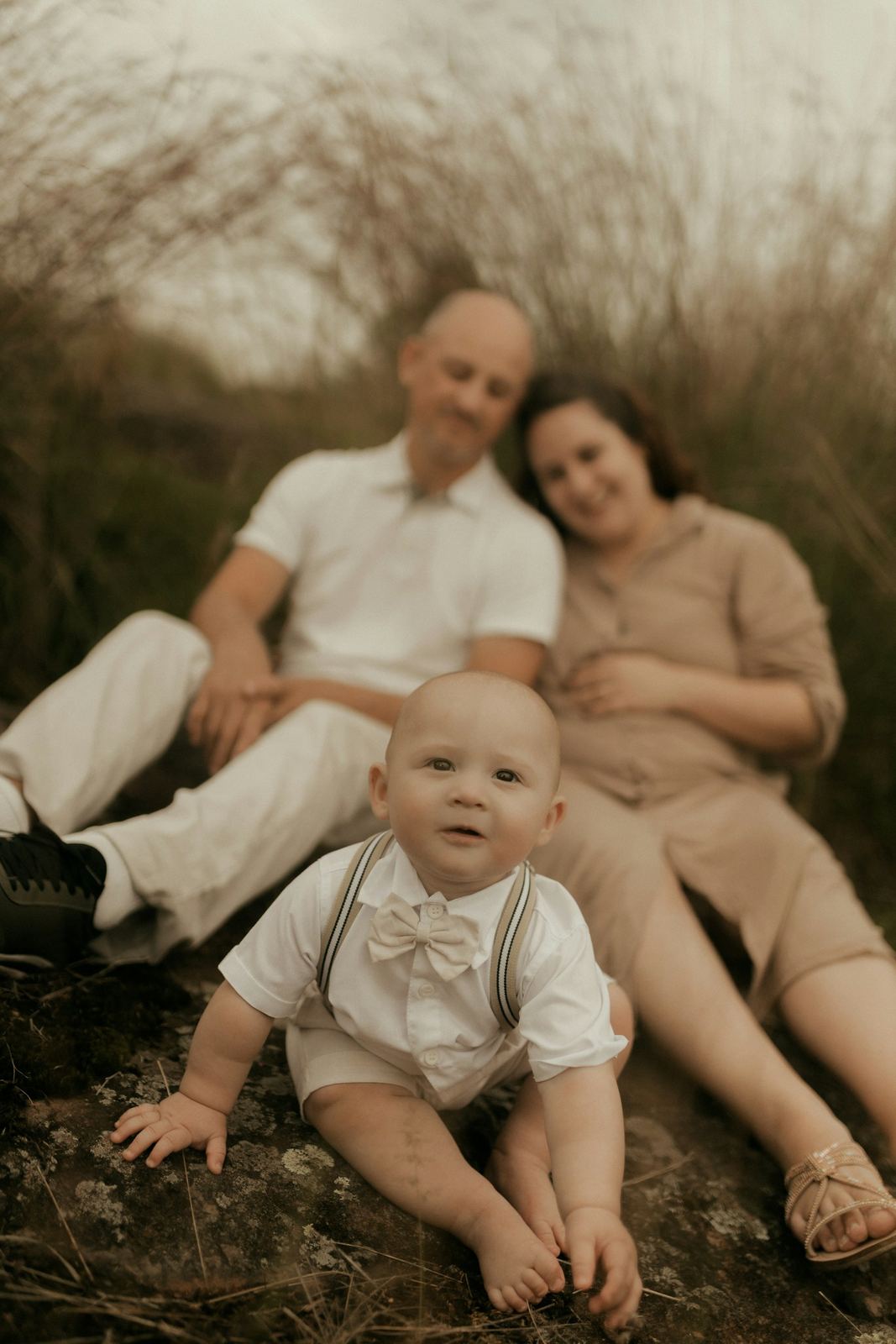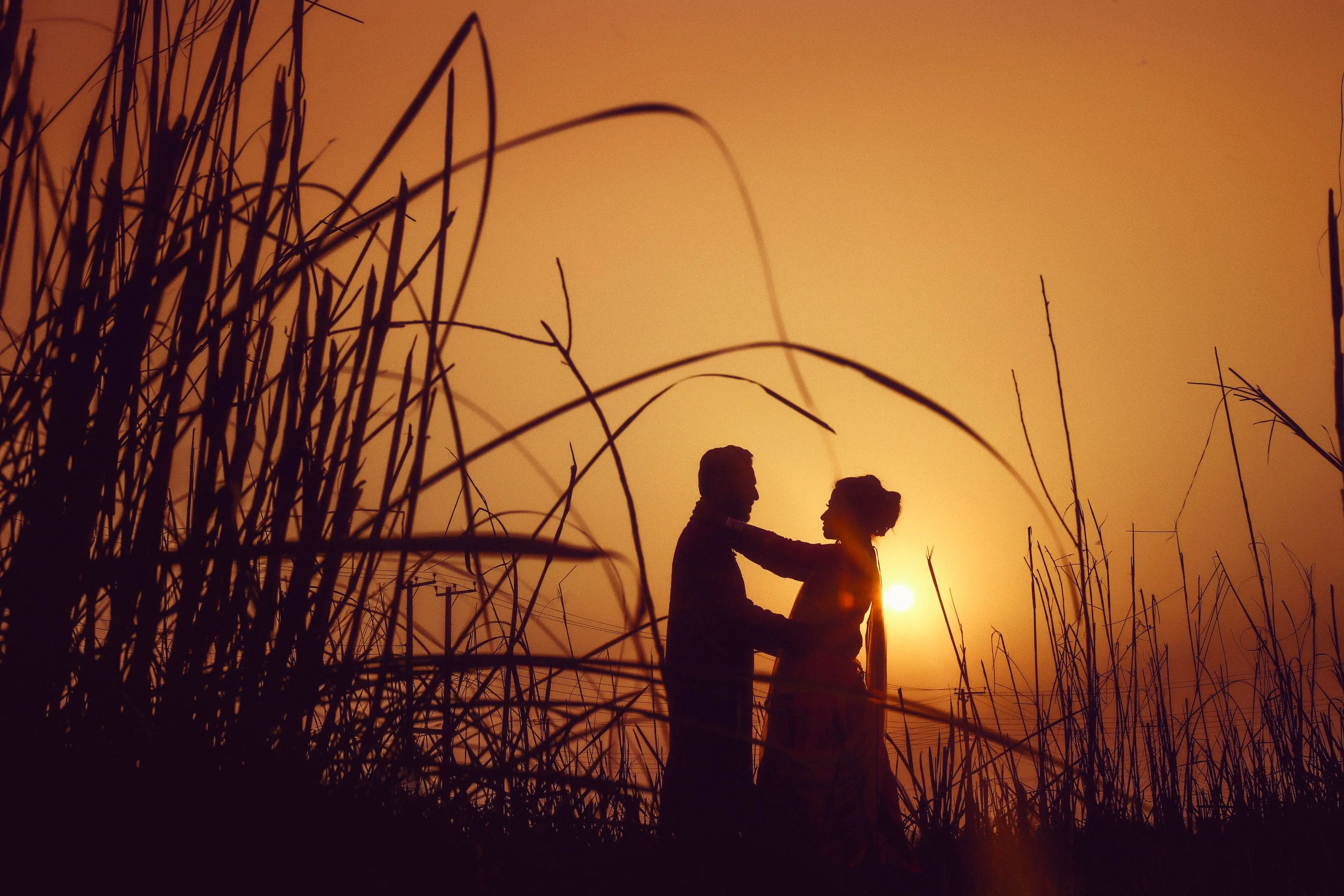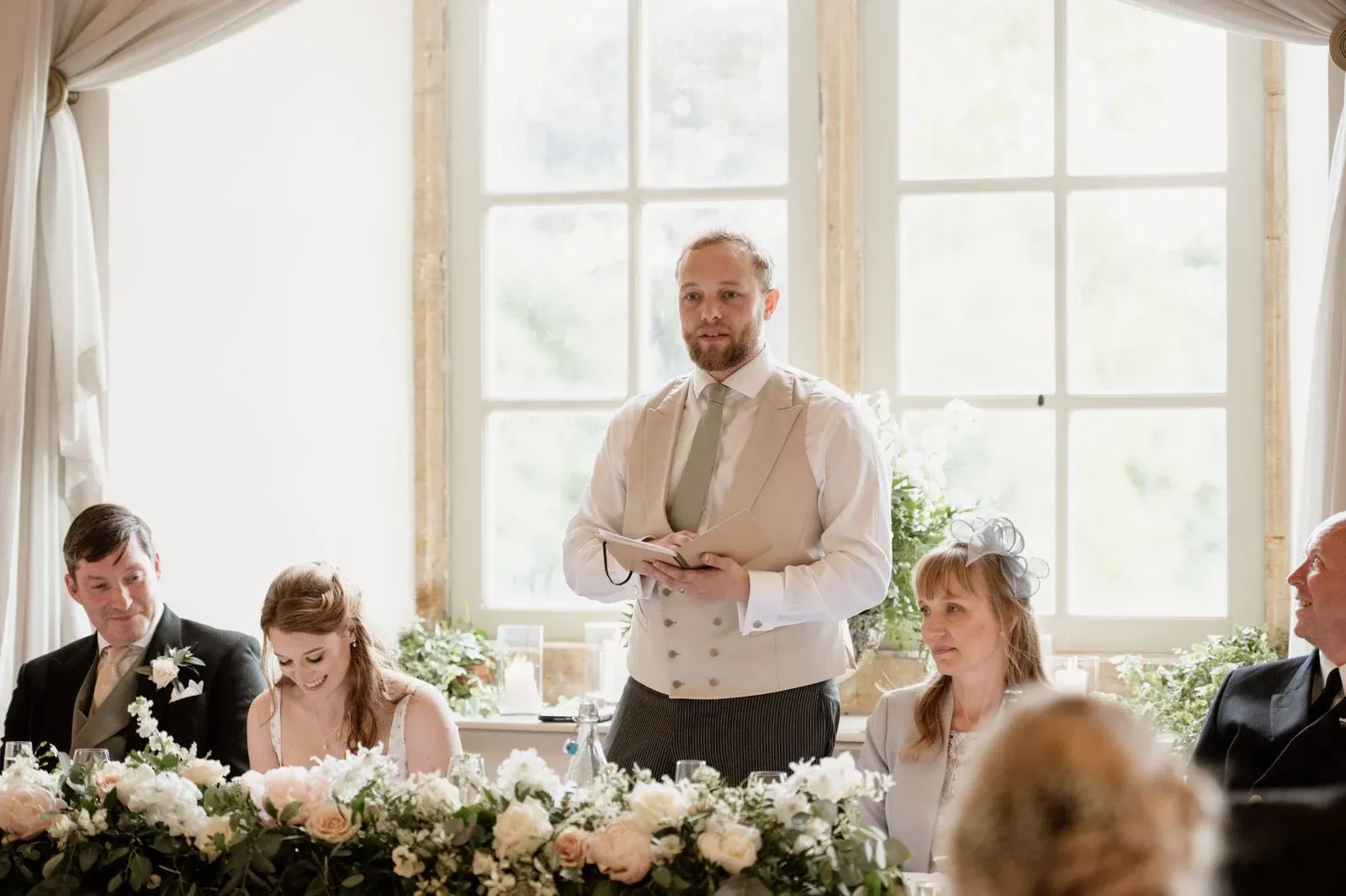
Most photographers get clients from referrals and Instagram, then wonder why their website is a ghost town. The truth is that someone in your city is typing "wedding photographer near me" into Google right now, and SEO is how you become the answer.
The good news: photography SEO is winnable. You're competing locally, not against the whole internet, and you already produce the one thing search engines love most - real, original images and stories. This guide walks through a fast indexable site, blogging actual shoots, local SEO basics, and the part most people get wrong: keeping client galleries private while opting your portfolio in.
Start with a fast, indexable site
Before keywords or backlinks, Google has to be able to crawl your site and render it quickly. Photographers fail here more than anyone because we love huge, beautiful, heavy images - and heavy images are slow images.
- Compress and right-size your images. Serve modern formats (WebP/AVIF) and don't push a 6000px file into a 1200px slot.
- Make sure every page has one clear H1, a unique title tag, and a meta description that reads like a human wrote it.
- Write descriptive, keyword-aware alt text on portfolio images - it helps accessibility and image search.
- Use clean, readable URLs (yourstudio.com/wedding-photography, not /page?id=42).
- Submit an XML sitemap in Google Search Console and confirm your key pages are actually indexed.
Blog real weddings (and shoots)
A portfolio shows your best 30 frames. A blog gives Google dozens of indexable pages stuffed with exactly the words your future clients search. Every real wedding you blog is a chance to rank for a venue, a city, a season, or a style.
The formula is simple and repeatable. For each shoot, publish a post that tells the story and names the specifics:
- Title it for search: "Sunset Elopement at [Venue Name], [City]" beats "Sarah & Tom."
- Write 300-800 words of genuine narrative - the day, the light, the moments. Vendors love being mentioned, and mentions earn links.
- Name the venue, the town, and the other vendors (florist, planner, band). These are the long-tail phrases couples actually type.
- Embed a curated set of images with real alt text, not IMG_4471.jpg.
- Link out to the venue and tag vendors so they share and link back to you.
Venues and planners are constantly asked "who shot this?" A blog post that names and links them turns one wedding into a referral engine that also feeds your local search rankings.
Win local SEO
For most photographers, "local" is the whole game. You don't need to outrank a national brand - you need to be the obvious choice in your metro area. Local SEO is how you show up in the map pack and the "near me" results.
- Claim and complete your Google Business Profile: correct category, service areas, hours, and a steady stream of recent photos.
- Keep your name, address, and phone number (NAP) identical everywhere it appears online.
- Earn genuine reviews and reply to them - they influence rankings and they close clients.
- Create location-specific pages or posts ("Wedding Photographer in [City]") instead of one vague "Services" page.
- Get listed and linked by local vendors, venues, and wedding directories you actually work with.
The mistake that quietly hurts you: indexing client galleries
Here's the trap. Once photographers learn that "more indexed pages = more SEO," some let everything get crawled - including private client galleries. That's a problem. Your clients did not agree to have their wedding or family photos surface in a stranger's Google search, and a bloated index of near-duplicate delivery pages does nothing for your rankings anyway.
The rule is clean: opt your portfolio in, keep client deliveries out. Your curated portfolio and blog should be fully indexable. The galleries you send to clients should be private by default. This is exactly how Capturely handles delivery.
- Capturely client galleries are not indexed by search engines by default - you share a link, clients view, favorite, and download with no account needed.
- Add a password and the gallery is private; expired and password-protected galleries are never indexable.
- Self-deleting galleries auto-remove after anywhere from 7 days to a year (or a custom date), permanently removing the gallery and originals - good for privacy and lean storage.
- Your public-facing presence still gets to shine: a public studio page and a free yourstudio.capturely.me subdomain.
Capturely vs. a do-it-yourself setup
You can hand-roll private delivery on a generic website, but it's easy to misconfigure indexing and privacy. Here's a high-level comparison. Verify any third-party specifics on their own site.
| What matters for SEO + privacy | Capturely | Generic site / DIY delivery |
|---|---|---|
| Client galleries private by default | Yes - not indexed by default; password = private; expired/password galleries never indexable | Depends on your config; easy to accidentally index (verify your own setup) |
| Public portfolio you can opt in | Public studio page + free subdomain | Yes, but you build and maintain it (verify your platform) |
| Self-deleting / auto-cleanup galleries | 7 days to 1 year, custom date, or keep forever; originals permanently removed | Usually manual; rarely automatic (verify) |
| Built-in, cookie-free analytics | Yes - privacy-friendly, no cookies | Typically requires third-party tools (verify) |
| Client favorites, comments, full-res downloads | Yes - heart picks, per-photo comments, single or whole-gallery zip | Varies widely (verify) |
The point isn't that you must use a tool - it's that delivery and SEO should be deliberate. Index what sells you; hide what belongs to your clients.
Your photographer SEO checklist
- Site loads fast on mobile; images compressed and modern-format.
- Every key page: one H1, unique title, human meta description, clean URL.
- Descriptive alt text on portfolio and blog images.
- Sitemap submitted; key pages confirmed indexed in Search Console.
- Publishing real-shoot blog posts that name venues, towns, and vendors.
- Google Business Profile claimed, complete, and refreshed with recent work.
- Consistent NAP across the web; steady, replied-to reviews.
- Location pages or posts for the cities you actually serve.
- Portfolio opted in to search; client galleries private and unindexed.
- Expiring/password-protected galleries for anything you don't want crawled.
SEO for photographers isn't a dark art - it's consistency. Keep your site fast, blog the work you're already doing, show up in local search, and be disciplined about what you let Google see. Your portfolio earns the rankings; your clients keep their privacy.
Ready to deliver galleries your clients remember?
Try Capturely free